Imagine stepping outside your back door and harvesting fresh vegetables for dinner, collecting eggs from your own chickens, and knowing your family could thrive even if the grocery store shelves went empty. That’s the power of a self sufficient backyard — and it’s far more achievable than most people think.
Whether you have a quarter-acre lot in the suburbs or a sprawling rural property, backyard homesteading lets you take control of your food, water, and energy. In this guide, you’ll learn exactly how to transform your outdoor space into a productive, resilient off-grid backyard oasis.
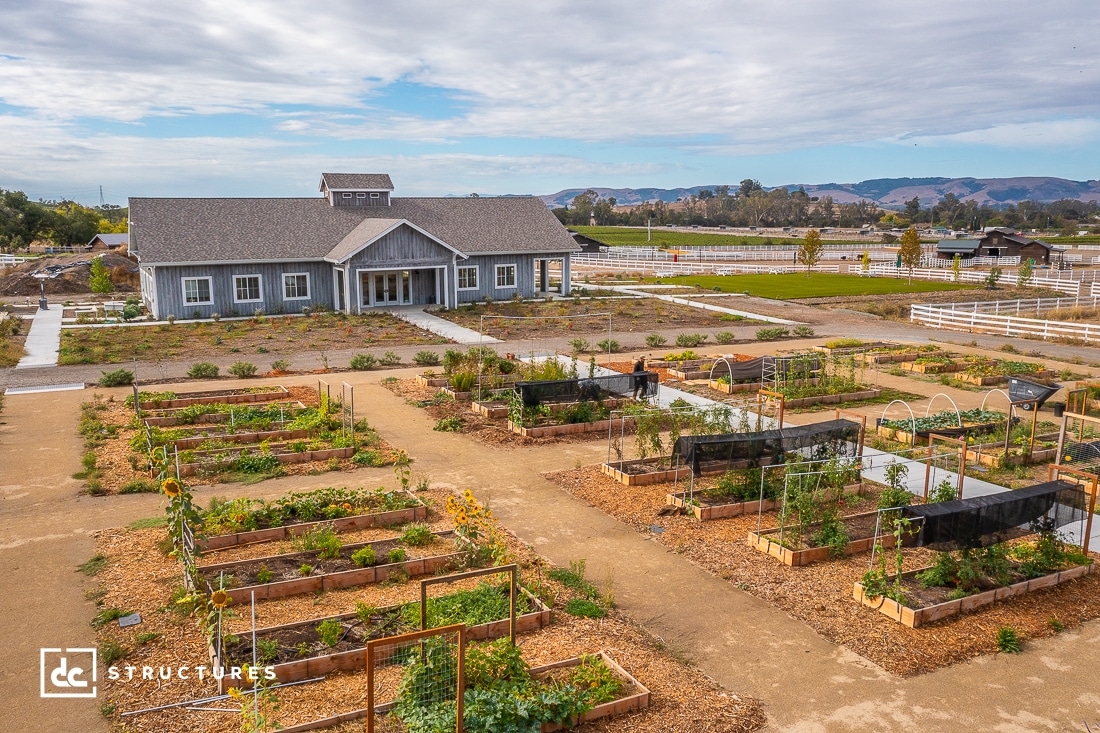
Why Build a Self Sufficient Backyard in 2026?
The world feels more uncertain than ever. Rising food prices, supply chain disruptions, and extreme weather events have pushed millions of families to rethink where their food comes from. A self-sufficient backyard isn’t just a hobby — it’s insurance for your family’s wellbeing.
Here are the biggest benefits of backyard self sufficiency:
-
Food security: Grow up to 70% of your own vegetables in as little as 1,000 square feet
-
Massive savings: The average family spends over $1,000 per month on groceries. Growing your own cuts that dramatically
-
Healthier food: No pesticides, no preservatives, harvested at peak ripeness
-
Resilience: Power outage? Supply chain collapse? Your backyard homestead keeps producing
-
Mental wellness: Gardening reduces stress and reconnects you with nature
The 10 Pillars of a Self Sufficient Backyard
1. Plan Your Backyard Layout Like a Homesteader
Before you plant a single seed, map your space. A productive self sufficient backyard follows the principles of permaculture: observe your sunlight patterns, note where water naturally flows, and place high-maintenance crops (like salad greens and herbs) closest to your kitchen door.
Divide your yard into zones: Zone 1 for daily-use items (herbs, compost), Zone 2 for vegetables and chickens, and outer zones for fruit trees and perennials. Even a small urban lot can support this system — many families create a thriving backyard homestead on just 1/10th of an acre.
2. Build Raised Beds for Maximum Food Production
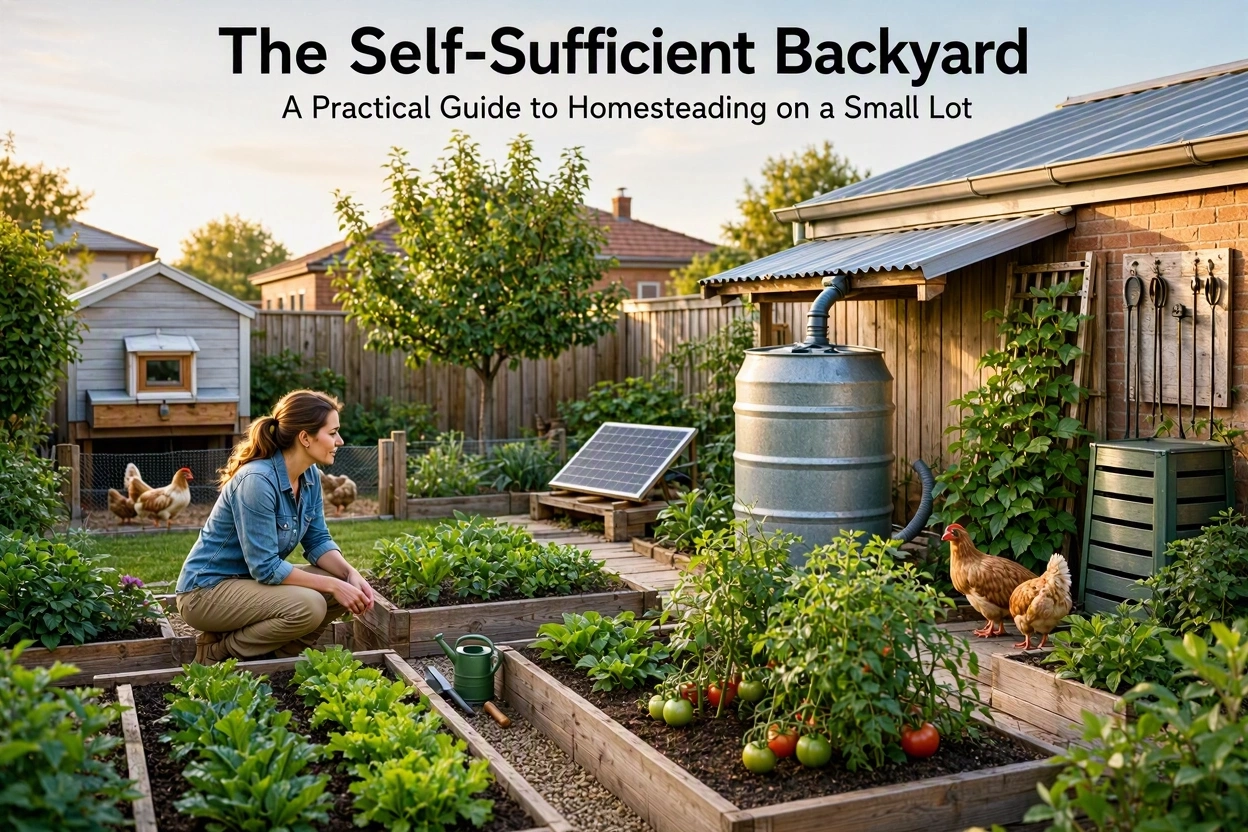
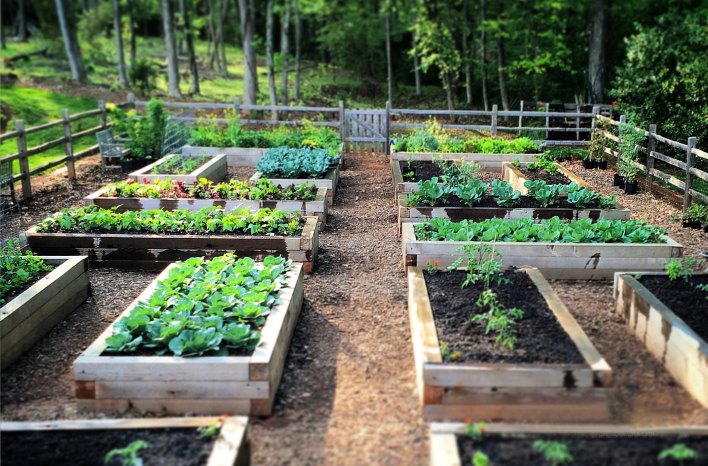
Raised beds are the backbone of any self-sufficient backyard garden. They warm up faster in spring, drain better, and allow you to build rich soil regardless of your native ground quality.
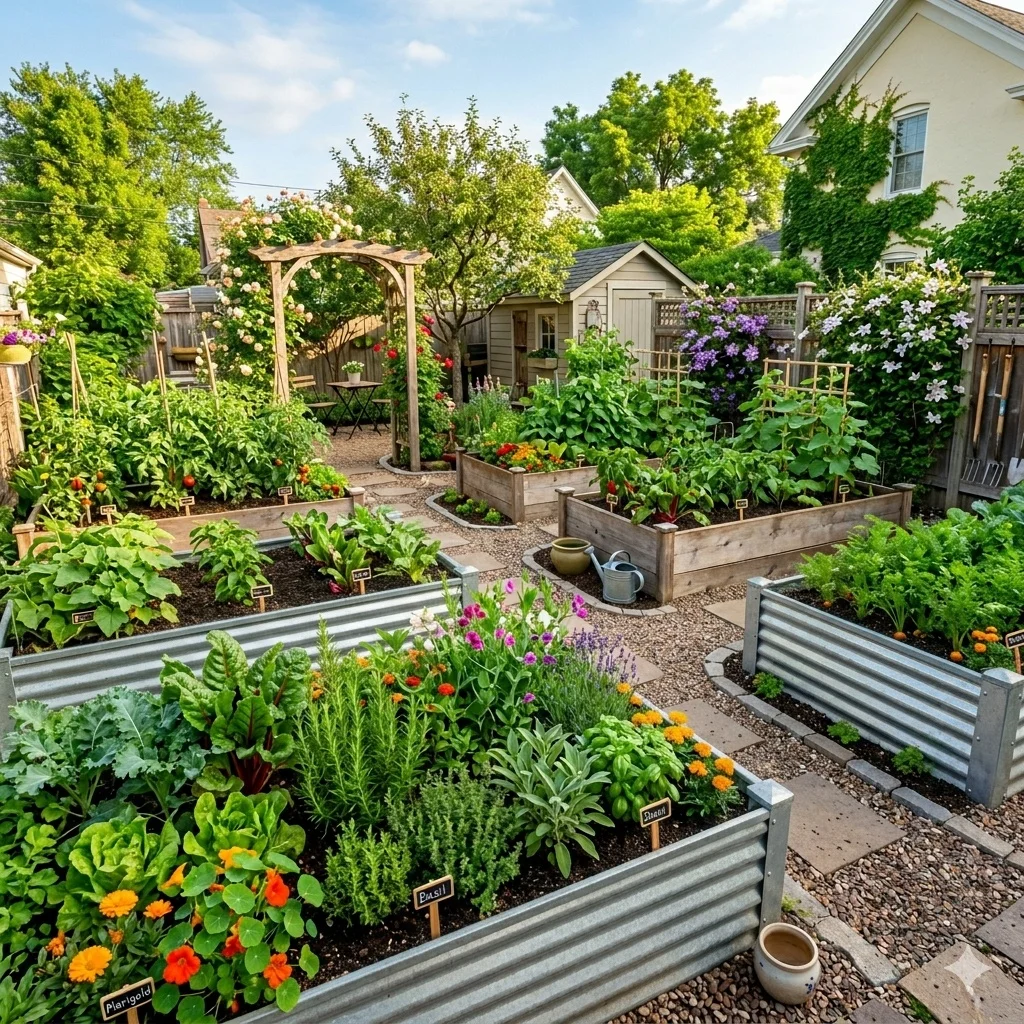
Start with easy, high-yield crops: tomatoes, zucchini, bush beans, lettuce, and kale. Use the square-foot gardening method to maximize every inch. One 4×8 raised bed can produce over 100 pounds of fresh produce per season — enough to feed a family of four through summer and fall.
Pro tip: Grow calorie-dense staples too — potatoes, sweet potatoes, winter squash, and dry beans. These are the crops that turn a decorative garden into a truly self sufficient backyard.
3. Harvest Rainwater Like a Pro
Water is life — and it’s the #1 failure point for most beginner homesteaders. A single inch of rain on a 1,000 sq ft roof yields over 600 gallons of water. Your self sufficient backyard should capture every drop.
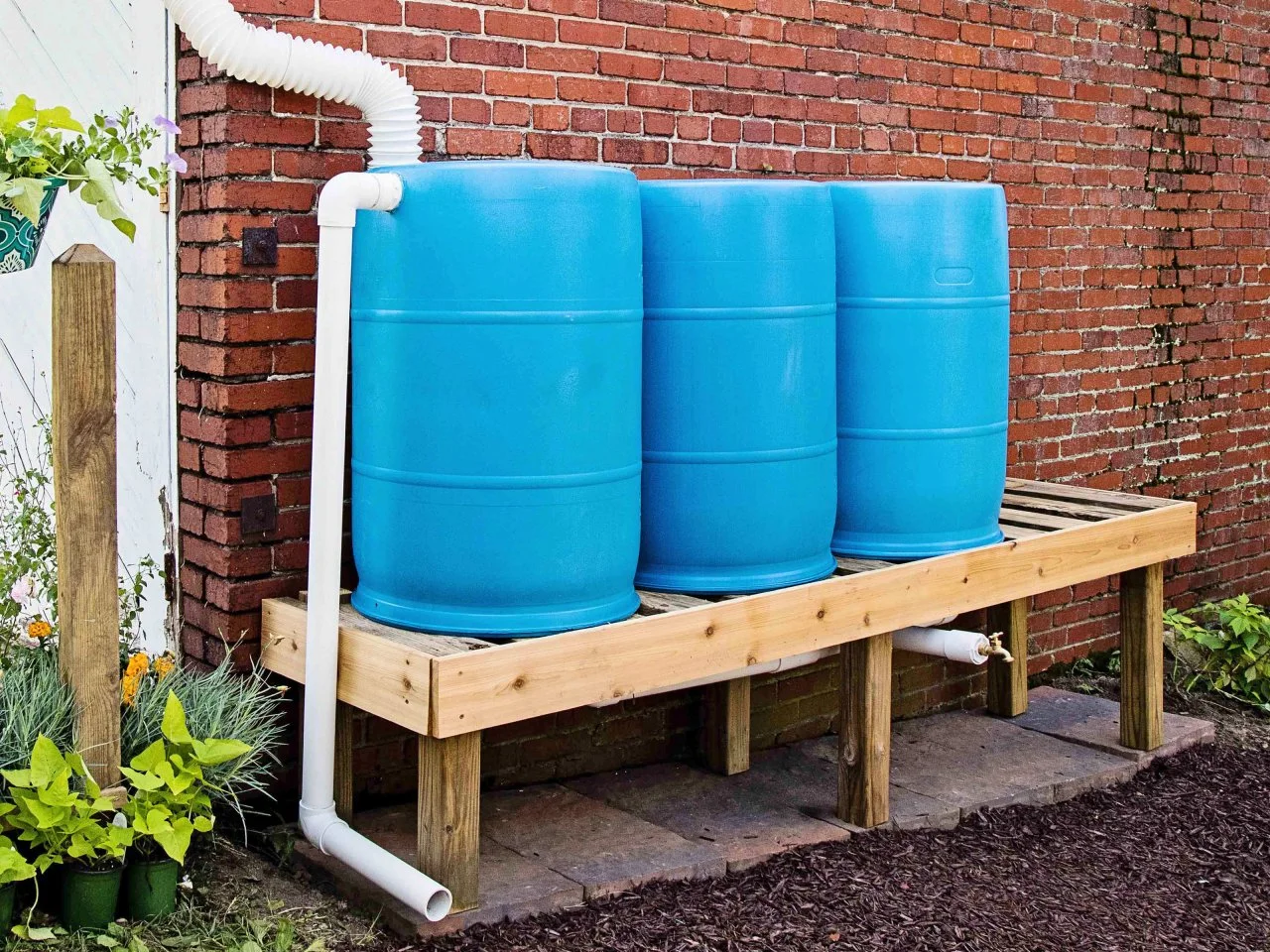
Install rain barrels under your downspouts, connect them in series, and use gravity-fed drip lines to water your garden. In many areas, rainwater harvesting is completely legal and can slash your utility bill while making your backyard homestead drought-proof.
4. Raise Backyard Chickens for Eggs and Compost
Few things say “homestead” like chickens in the backyard. Three to six hens will supply your family with fresh eggs daily, eat your kitchen scraps, and produce nitrogen-rich manure that supercharges your garden soil.
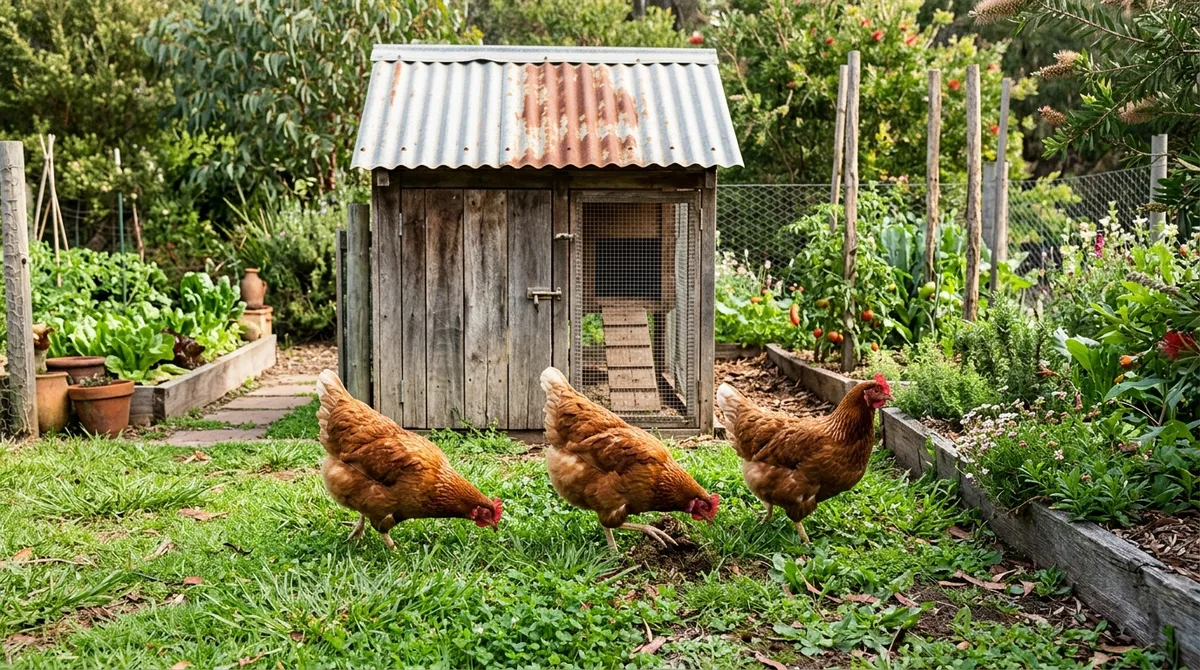
Check your local ordinances first — most suburban areas allow 4–6 hens (no roosters). A simple coop with a run fits in even modest yards, and hens start laying at about 6 months old. Combined with your vegetable garden, eggs make your self sufficient backyard nutritionally complete.
5. Grow Perennial Food Crops
Annual vegetables feed you for a season; perennials feed you for decades with almost zero work. Every self-sufficient backyard should include:
-
Fruit trees: Apple, pear, cherry, and plum trees
-
Berry bushes: Blueberries, raspberries, blackberries, currants
-
Herb perennials: Rosemary, thyme, oregano, chives, mint
-
Asparagus and rhubarb: The ultimate low-maintenance vegetables
Plant once, harvest forever — that’s the magic of perennials in a backyard homestead.
6. Compost Everything
A self sufficient backyard is a closed-loop system: garden scraps feed the chickens, chicken manure feeds the compost, compost feeds the garden. Nothing is wasted. Start a simple three-bin compost system or use a tumbler if space is tight. Within 3–6 months, you’ll have black gold — free fertilizer that outperforms anything you can buy.
7. Preserve Your Harvest
Growing food is only half the equation. To be truly self-sufficient, you must store it. Learn these preservation basics:
-
Canning: Tomatoes, sauces, pickles, jams
-
Freezing: Berries, blanched vegetables, herbs
-
Dehydrating: Apples, herbs, peppers, jerky
-
Root cellaring: Potatoes, carrots, beets, onions
A well-stocked pantry from a 1,000 sq ft backyard homestead can feed a family for 6–9 months of the year.
8. Add Solar and Alternative Energy
Energy independence is the next level of backyard self sufficiency. Even without going fully off-grid, you can:
-
Install a small solar array to power your shed, greenhouse, or even your home
-
Use solar ovens and rocket stoves for outdoor cooking
-
Add a hand pump or gravity-fed water system as backup
Every kilowatt you generate yourself is money saved and resilience gained.
9. Integrate Small Livestock (Beyond Chickens)
Once your self sufficient backyard is thriving, consider adding:
-
Rabbits: Quiet, compact, and incredibly efficient meat producers
-
Honeybees: Pollinate your garden and provide honey, wax, and propolis
-
Quail: Perfect for tiny urban lots — eggs in just 6 weeks
10. Build Community Resilience
No family is an island. The most resilient backyard homesteading networks are neighborhoods where skills and surplus are shared. Trade eggs for honey, teach a neighbor to can, start a seed library. Self-sufficiency multiplies when it’s communal.
Common Mistakes to Avoid on Your Self Sufficient Backyard Journey
-
Doing too much at once: Start with one raised bed and two chickens. Master it, then expand.
-
Ignoring your soil: Test your soil annually. Healthy soil = healthy harvests.
-
Planting without a plan: Succession planting keeps your garden producing year-round instead of in one overwhelming glut.
-
Skipping water storage: Rain barrels are cheap insurance. Don’t wait for a drought to install them.
How to Get Started This Weekend
Building a self sufficient backyard doesn’t require a fortune or a farm. It requires a plan. And the fastest way to avoid the costly mistakes most beginners make is to follow a proven step-by-step system.
If you’re serious about turning your backyard into a food-producing, water-independent homestead, don’t reinvent the wheel:
This step-by-step program shows you exactly how to set up your own self sufficient backyard — from the exact layout blueprints, to which crops give the highest calories per square foot, to DIY water and energy systems that pay for themselves. Thousands of families have used it to cut their grocery bills by 70% or more.
Your First 30 Days: A Simple Action Plan
-
Week 1: Map your yard, test your soil, and order your first raised bed kit
-
Week 2: Install rain barrels and start a compost pile
-
Week 3: Plant fast-growing crops (lettuce, radishes, spinach) and check chicken ordinances
-
Week 4: Plant your main summer garden and set up your coop
Follow this plan and within one growing season you’ll be eating from your own land every single day.
Frequently Asked Questions About the Self Sufficient Backyard
How much space do I need for a self sufficient backyard? You can start with as little as 400 sq ft for a productive garden. A family of four can grow most of their vegetables on 1/10th of an acre (about 4,300 sq ft), especially with intensive methods like vertical growing and succession planting.
Is a self sufficient backyard legal in the suburbs? In most areas, yes — vegetable gardens, rain barrels, and a small number of hens are legal. Always check local HOA rules and municipal ordinances first.
How much does it cost to start backyard homesteading? A starter setup (2–3 raised beds, 3 chickens, rain barrels) costs $300–$800 and typically pays for itself in the first season through grocery savings.
Can I really grow all my own food? Most families can grow 50–70% of their vegetables and fruit on a suburban lot. Total food independence is possible on 1/4 acre or more with livestock.
The Bottom Line
A self sufficient backyard is more than a garden — it’s freedom. Freedom from rising prices, fragile supply chains, and the anxiety of not knowing where your family’s next meal comes from. Every expert homesteader started with a single seed. The only question is: will you start this season, or wish you had?
The blueprint is available right now. Families across the country are quietly building their own backyard homesteads — quietly becoming the most prepared households on their street.
Your future self — standing in a garden bursting with food, collecting warm eggs at sunrise — will thank you for taking action today.