
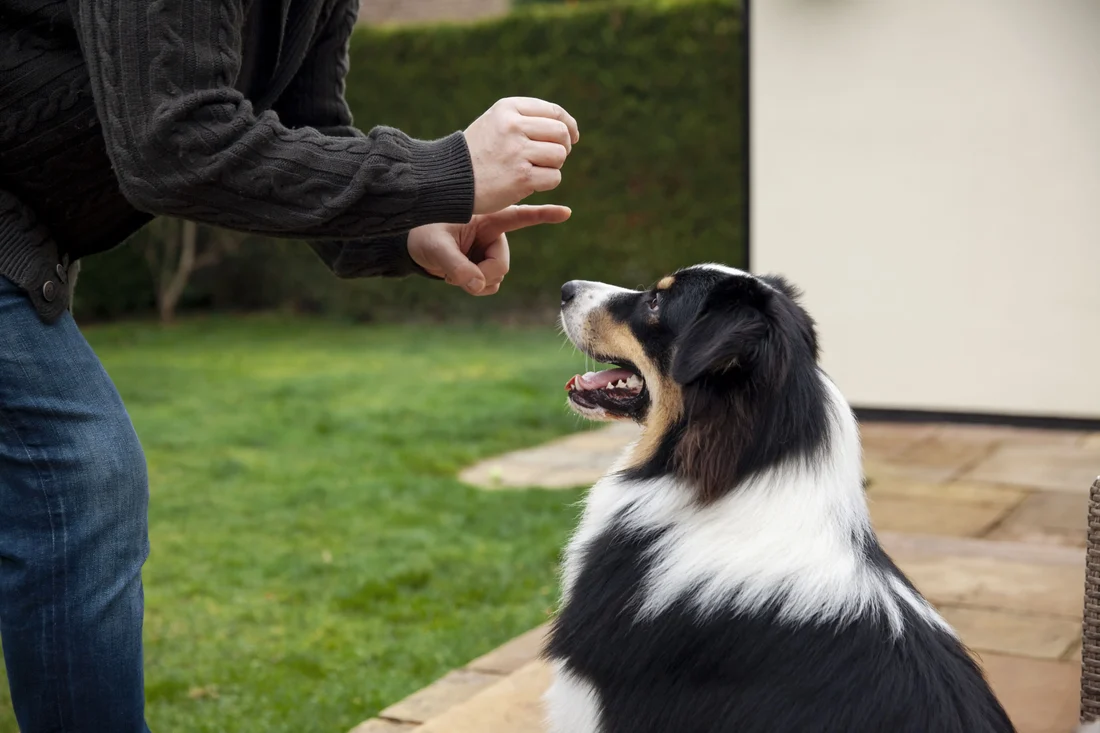
If you’re reading this, chances are your dog’s barking has become more than just background noise — it’s become a problem. Maybe the neighbors are complaining. Maybe the delivery driver jokes that your dog knows him better than his own family. Or maybe you’re simply exhausted from the constant soundtrack of excessive barking echoing through your home.
Here’s the good news: getting a dog to stop barking is one of the most solvable behavior problems in the dog world. Barking is natural — it’s how dogs communicate — but with the right dog training techniques, you can teach your pup when to speak up and, more importantly, when to stay quiet.
In this guide, we’ll walk you through exactly how to stop a dog from barking, from understanding why your dog barks to proven bark control methods that actually work.
Why Do Dogs Bark? Understanding the Root Cause
Before you can stop dog barking, you need to understand what’s triggering it. Dogs don’t bark for no reason — there’s always a purpose behind the noise. Here are the most common triggers:
-
Territorial barking: Your dog sees or hears someone near “their” space — the yard, the front door, the window.
-
Alarm barking: Sudden noises like doorbells, car doors, or fireworks set them off.
-
Attention-seeking barking: Your dog has learned that barking gets them what they want (food, play, your attention).
-
Boredom or loneliness: Dogs left alone for long stretches often bark out of frustration or separation anxiety.
-
Fear or anxiety: New environments, strangers, or other animals can trigger stress-based barking.
-
Excitement: Some dogs bark simply because they’re happy — during play, greetings, or walks.
⚠️ Important: Different causes require different solutions. A dog barking out of separation anxiety won’t respond to the same techniques as a dog barking at squirrels through the window. Identifying the trigger is step one.
Method 1: The “Quiet” Command (The Foundation)
The most powerful tool in your anti-barking toolkit is teaching a reliable “Quiet” command. Here’s how to do it:
Step 1 — Wait for a natural barking episode. Let your dog bark a few times at their trigger (the doorbell, a passerby).
Step 2 — Say “Quiet” in a calm, firm voice. Don’t yell — shouting can actually sound like you’re barking along with them.
Step 3 — The moment they pause, reward immediately. Use a high-value treat and enthusiastic praise. Timing is everything: reward the silence, even if it lasts only a second.
Step 4 — Gradually increase the duration. Ask for longer and longer periods of quiet before giving the reward.
Pro tip: Some trainers prefer teaching “Speak” first, then “Quiet” as the opposite command. Dogs often learn the contrast faster this way. Practice 5–10 minutes a day, and within two weeks, most dogs show real progress.
Method 2: Remove the Trigger (Management First)
You can’t train 24/7, but you can manage your dog’s environment to reduce barking opportunities:
-
Block the view: If your dog barks at people passing the window, use frosted window film, closed blinds, or move furniture so they can’t patrol the “watch post.”
-
Create white noise: A fan, radio, or TV can mask the sounds of outside triggers.
-
Limit yard time: If your dog barks at everything in the backyard, bring them in and only go out together.
-
Stay busy: A tired dog is a quiet dog. Increase daily exercise — long walks, fetch, swimming — and add mental stimulation like puzzle toys or snuffle mats.

Many owners find that combining management with structured training gives the fastest results. If you want a complete, step-by-step dog barking solution designed by professional trainers, this proven program walks you through everything from the Quiet command to solving anxiety-based barking:
Method 3: Desensitization and Counter-Conditioning
For dogs who bark at specific triggers (the doorbell, other dogs, the mail carrier), desensitization training is the gold standard:
-
Identify the trigger threshold. How close can the trigger get before your dog reacts? Start below that threshold.
-
Expose at low intensity. Play a recording of a doorbell at very low volume, or have a friend walk past at a distance.
-
Pair with something positive. The moment the trigger appears, give treats. Your dog learns: doorbell = good things happen.
-
Slowly increase intensity. Over days or weeks, raise the volume or reduce the distance — but only as long as your dog stays calm.
This method takes patience, but it permanently changes your dog’s emotional response to the trigger rather than just suppressing the barking.
Method 4: Ignore Attention-Seeking Barking
Does your dog bark at you while you eat dinner, work, or watch TV? That’s demand barking — and it works because it works. Every time you give in (even saying “stop it!”), you reinforce the behavior.
The fix:
-
Completely ignore the barking. No eye contact, no talking, no touching.
-
Turn your back or leave the room.
-
The instant the barking stops, turn back and reward the silence.
Yes, it will get worse before it gets better — this is called an extinction burst. Stay consistent, and the behavior will collapse within days to weeks.
Method 5: Professional Tools and Aids
Sometimes you need extra help. Here are the most common bark control tools, ranked from safest to most controversial:
| Tool | How it works | Best for | Caution |
|---|
| Treat puzzles / snuffle mats | Mental fatigue reduces barking drive | Boredom barkers | None — always beneficial |
| Calming aids (thundershirts, pheromone diffusers) | Reduce anxiety | Fear/anxiety barkers | Mild but helpful |
| Ultrasonic devices | Emit high-pitched tone when barking | Quick interruption | Inconsistent results |
| Citronella / vibration collars | Mild deterrent on bark | Stubborn cases | Can cause stress if misused |
| Static shock collars | Electric stimulation | Last resort | Banned in several countries; risk of fear/aggression |
Our strong recommendation: exhaust positive training first. Tools that punish barking without addressing the cause can mask the symptom while the underlying stress grows.
What NOT to Do (Common Mistakes That Make Barking Worse)
-
❌ Yelling at your dog — sounds like joining the bark fest.
-
❌ Punishing after the fact — dogs can’t connect punishment to past barking.
-
❌ Giving in to demand barking — even once resets all your progress.
-
❌ Debarking surgery — inhumane and banned in many places.
-
❌ Using punishment for fear-based barking — suppresses warning signs and can escalate to biting.
When to Call a Professional
If your dog’s barking is extreme, if you suspect true separation anxiety (destructive behavior, self-harm, house soiling when alone), or if nothing has worked after 4–6 weeks of consistent training, consult a certified professional dog trainer (CPDT-KA) or a veterinary behaviorist.

The Fast-Track Solution Most Owners Overlook
Here’s an honest truth: most owners struggle because barking problems have multiple layers — triggers, reinforcement history, energy levels, and anxiety all intertwined. Solving it alone through trial and error can take months.
That’s exactly why structured programs exist. Instead of guessing, you follow a proven sequence used by thousands of owners to achieve a calm, quiet dog — often within days, not months. The program includes the exact “Quiet command” protocol, trigger desensitization scripts, and exercises for anxious barkers.
If you’re serious about ending the noise for good, this is the shortcut:
Final Thoughts: Patience Pays Off
Learning how to get a dog to stop barking isn’t about silencing your dog — it’s about teaching them when communication matters and giving them healthier outlets for their energy and emotions.
Quick recap of your action plan:
-
Identify the trigger — know why your dog barks.
-
Teach the “Quiet” command — reward silence consistently.
-
Manage the environment — block views, add white noise, increase exercise.
-
Desensitize gradually — change their emotional response to triggers.
-
Stay consistent — every family member must follow the same rules.
Most dogs show noticeable improvement within 2–4 weeks of consistent effort. Stick with it — the reward is a calmer dog, happier neighbors, and a much more peaceful home.