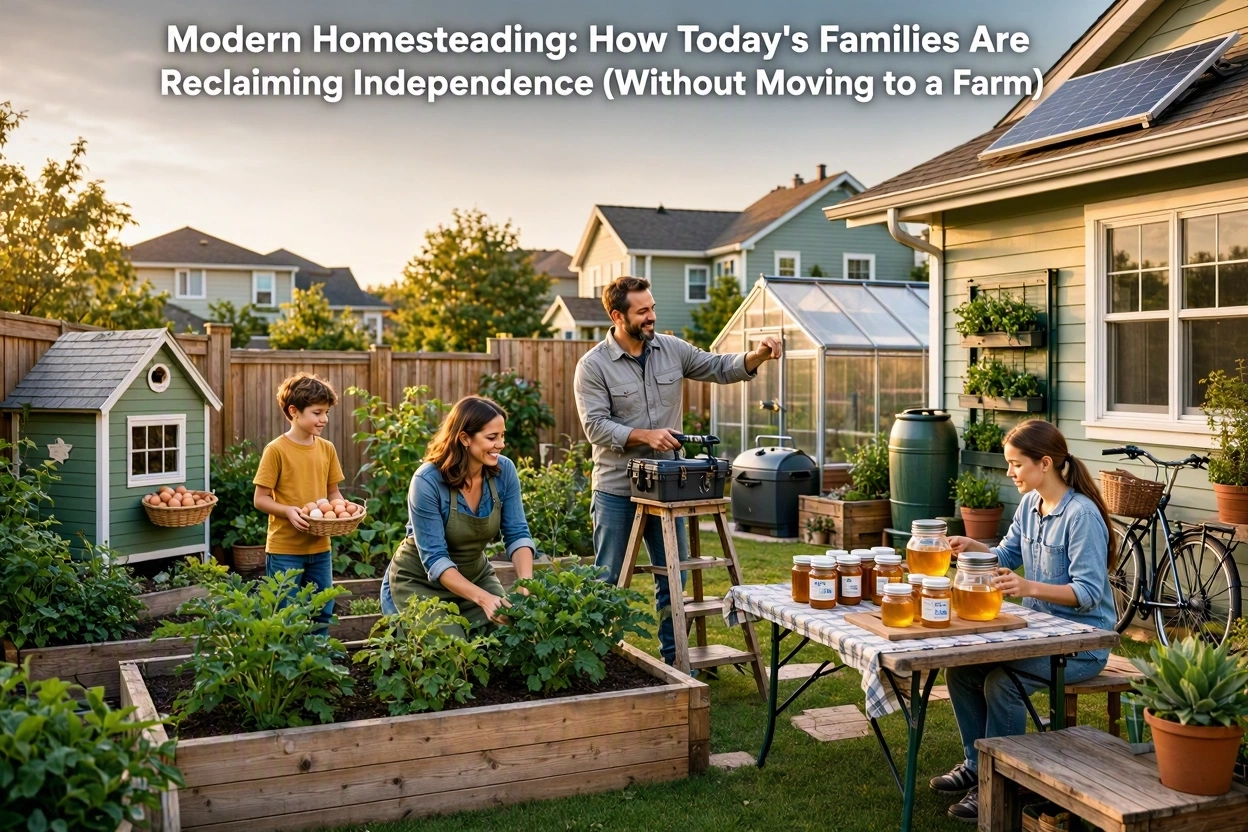
Forget the image of pioneers in log cabins churning butter by candlelight. Modern homesteading is something entirely different — it’s tech-savvy families using solar panels, raised beds, and smart systems to build real independence right where they live.
And it’s exploding. From city balconies to suburban backyards to five-acre rural lots, millions of people are embracing homesteading in the modern world as the answer to rising prices, fragile supply chains, and the desire for a more meaningful life.
In this guide, you’ll learn exactly what modern homesteading looks like today, why it works better than ever, and how to start your own journey — even if you’ve never grown a single tomato.
What Is Modern Homesteading, Really?
At its core, modern homesteading is the practice of producing more of what your family needs — food, water, energy, skills — while consuming less from external systems. It’s self-sufficiency upgraded for the 21st century.
The old homesteaders had grit and land. Today’s modern homesteader has something arguably more powerful: information. With a smartphone, you can access centuries of agricultural knowledge, weather data, and proven systems that our ancestors would have given anything for.
A modern homestead might look like:
-
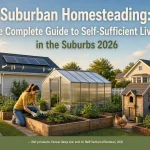
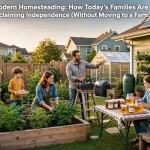
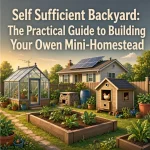
A suburban family with raised beds, backyard chickens, rain barrels, and a chest freezer full of homegrown produce
-
An urban couple growing 200 lbs of food on a balcony and fermenting their own preserves
-
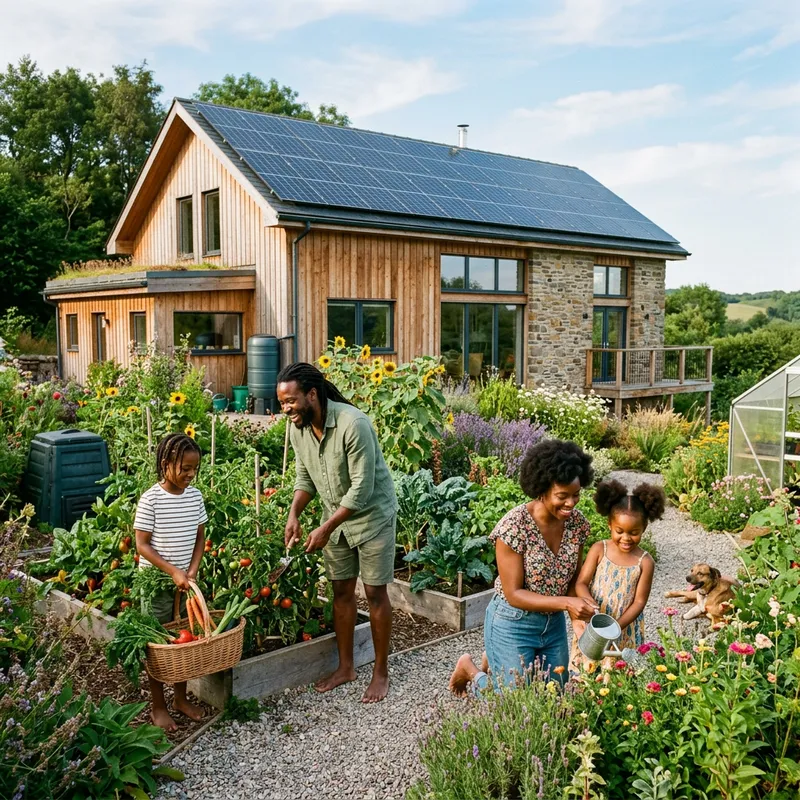
A rural household running solar panels, a greenhouse, and a small orchard
The common thread? Modern homesteading is a mindset, not a location. You don’t need 40 acres. You need the decision to take ownership of your family’s essentials.
Why Modern Homesteading Is Booming Right Now
Three powerful forces are driving the modern homesteading movement:
1. Economic pressure. With grocery bills up dramatically and housing costs squeezing every budget, families are discovering that a productive homestead pays for itself. A single well-managed garden can save $1,500–$3,000 per year.
2. Digital burnout and the search for meaning. Parents increasingly want their kids to know where food comes from — and to experience the satisfaction of building, growing, and creating with their own hands. Modern homestead living delivers that daily.
3. Technology has removed the guesswork. Automatic watering systems, high-efficiency solar, freeze-dryers, and online learning have collapsed the learning curve. What took our grandparents decades to master, you can learn in a season.
The 7 Pillars of a Modern Homestead
1. Grow Real Food (Not Just a Hobby Garden)
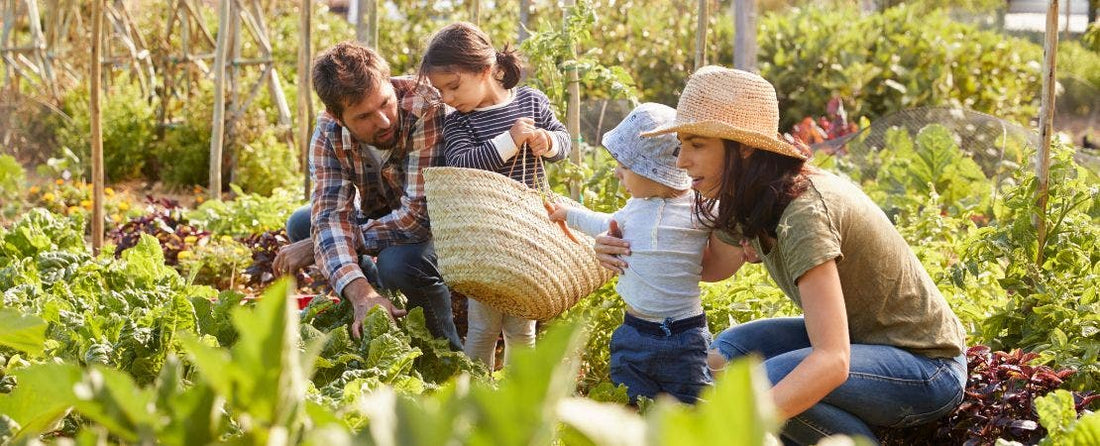
The heart of modern homesteading is food production — but with a modern twist: calorie crops. While a decorative garden grows salads, a true homestead garden grows potatoes, winter squash, dry beans, and corn. These are the foods that sustain a family.
Start with raised beds (faster, fewer weeds, better soil control) and add perennial crops like fruit trees and berry bushes that produce for decades with minimal work. Even 500 square feet, intensively planted, can supply 50%+ of a family’s vegetables.
2. Harvest and Store Your Own Water
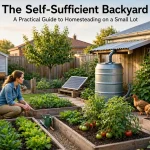
Modern homesteaders treat water as the precious resource it is. Rain barrels, swales, and gravity-fed drip irrigation turn free rainfall into a drought-proof garden. It’s one of the highest-ROI projects in modern homesteading — a weekend of work that protects your entire food system.
3. Raise Small Livestock
Chickens remain the gateway animal of modern homesteading: fresh eggs daily, garden fertilizer, and pest control in one fluffy package. Rabbits and quail work for tiny spaces; bees add pollination and honey. Modern coops even come with automatic doors and predator-proof designs that make care effortless.
4. Preserve the Harvest
Growing food is seasonal; eating it shouldn’t be. Modern homesteading leans on a full toolkit: pressure canning, dehydrating, freezing, fermenting, and vacuum sealing. A chest freezer plus a well-stocked pantry turns August’s abundance into February’s security.
5. Generate Your Own Energy
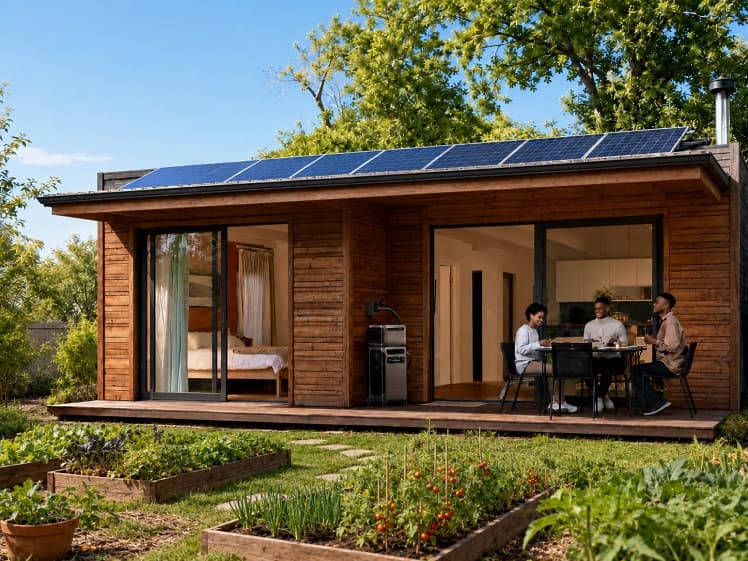
Solar is the defining upgrade of modern homesteading. Falling panel prices mean a basic system can power your freezer, well pump, or even your whole home — with a 25-year payoff horizon and genuine blackout protection. Pair it with a battery bank and you’ve got resilience most neighborhoods envy.
6. Build Practical Skills
Skills are the original currency of modern homestead living: bread baking, basic carpentry, food preservation, seed saving, first aid. Each skill you learn makes your household less dependent and more capable — and most are genuinely enjoyable to practice.
7. Create Community Resilience
Paradoxically, the best modern homesteaders aren’t isolationists. They trade eggs for honey, share seeds, teach canning classes, and build neighborhood networks. Independence is strongest when it’s shared.
Modern Homesteading vs. Old-School Homesteading: What’s Different?
| Old Homesteading | Modern Homesteading |
|---|
| 40+ acres required | Works on 1/10 acre or a balcony |
| Trial and error for decades | Proven systems and online knowledge |
| Complete isolation from town | Blends with jobs, internet, community |
| Manual everything | Smart tools: drip irrigation, solar, freezers |
| Survival-focused | Thriving-focused: money saved, health gained |
The result? Modern homesteading achieves in 2–3 years what used to take a lifetime — without giving up modern comforts.
How to Start Modern Homesteading This Month (Step by Step)
The biggest mistake beginners make is doing everything at once. Instead, follow this realistic 90-day launch:
Days 1–14: Observe and plan. Map sunlight in your space, check local rules on chickens and gardens, and sketch your layout. Buy seeds for fast crops: lettuce, radishes, spinach.
Days 15–45: Build the food engine. Set up your first raised bed or containers. Install rain barrels. Start a compost bin. Plant your spring garden.
Days 46–75: Add livestock and preservation. Set up a small coop with 3–4 hens. Learn one preservation method (freezing is easiest). Plant calorie crops like potatoes and squash.
Days 76–90: Systematize. Set up automatic watering, build your seed library, and plan your fall/winter garden. You’re now officially a modern homesteader.
This step-by-step program gives you the exact layouts, crop rotations, livestock plans, and money-saving systems that compress years of homesteading knowledge into one season — including how families on tiny lots produce most of their own food.
How Much Does Modern Homesteading Cost?
Here’s the honest breakdown:
-
Starter homestead (2 raised beds, rain barrels, 3 hens, basic preservation gear): $400–$900
-
Established homestead (8+ beds, greenhouse, solar backup, full preservation setup): $2,000–$5,000
-
Serious homestead (orchard, livestock rotation, full solar): $10,000+
The beautiful part? Most starter setups pay for themselves within the first year through grocery savings. After that, your modern homestead is essentially producing money every single day.
The Mistakes That Stall Most Beginner Homesteaders
-
Starting too big — burnout kills more homesteads than drought ever will. Start small, master it, expand.
-
Ignoring calories — salads are lovely, but potatoes, beans, and squash are what feed a family.
-
Buying before planning — the $800 chicken coop before checking local ordinances is a classic regret.
-
No water plan — a garden without stored water dies every August. Barrels first, planting second.
-
Going it alone — the modern homesteader’s superpower is community. Find your people early.
Frequently Asked Questions About Modern Homesteading
Can I homestead in the city? Absolutely. Urban modern homesteading — container gardens, balcony growing, quail, fermentation, food preservation — is one of the fastest-growing segments of the movement.
Do I have to quit my job? No. Most modern homesteaders work regular jobs and homestead evenings and weekends. The systems (raised beds, drip irrigation, freezers) are designed for busy people.
Is modern homesteading expensive? It can be as cheap as $100 to start (seeds, a few containers, a compost bin) or as big as you want. The ROI on even small setups is excellent.
How long until I’m self-sufficient? Expect 50%+ of your vegetables within two growing seasons, eggs within six months of getting chickens, and meaningful energy independence within 2–3 years.
What’s the #1 skill to learn first? Growing food. Everything else in modern homesteading builds on that foundation.
Your Homestead Starts With One Decision
Every experienced modern homesteader was once someone staring at their yard (or balcony) wondering if they could really do it. They could. You can. The only difference between dreaming and homesteading is a plan — and the decision to start.
The good news: you don’t have to reinvent the wheel. The complete roadmap already exists, tested by thousands of families:
👉 🌱 START YOUR MODERN HOMESTEADING JOURNEY TODAY — Get Instant Access to the Full Step-by-Step System!
Twelve months from now, you could be collecting eggs at sunrise, harvesting dinner from your own garden, and opening a pantry stocked with food you grew and preserved yourself. That life is closer than you think — one season, one raised bed, one decision away.