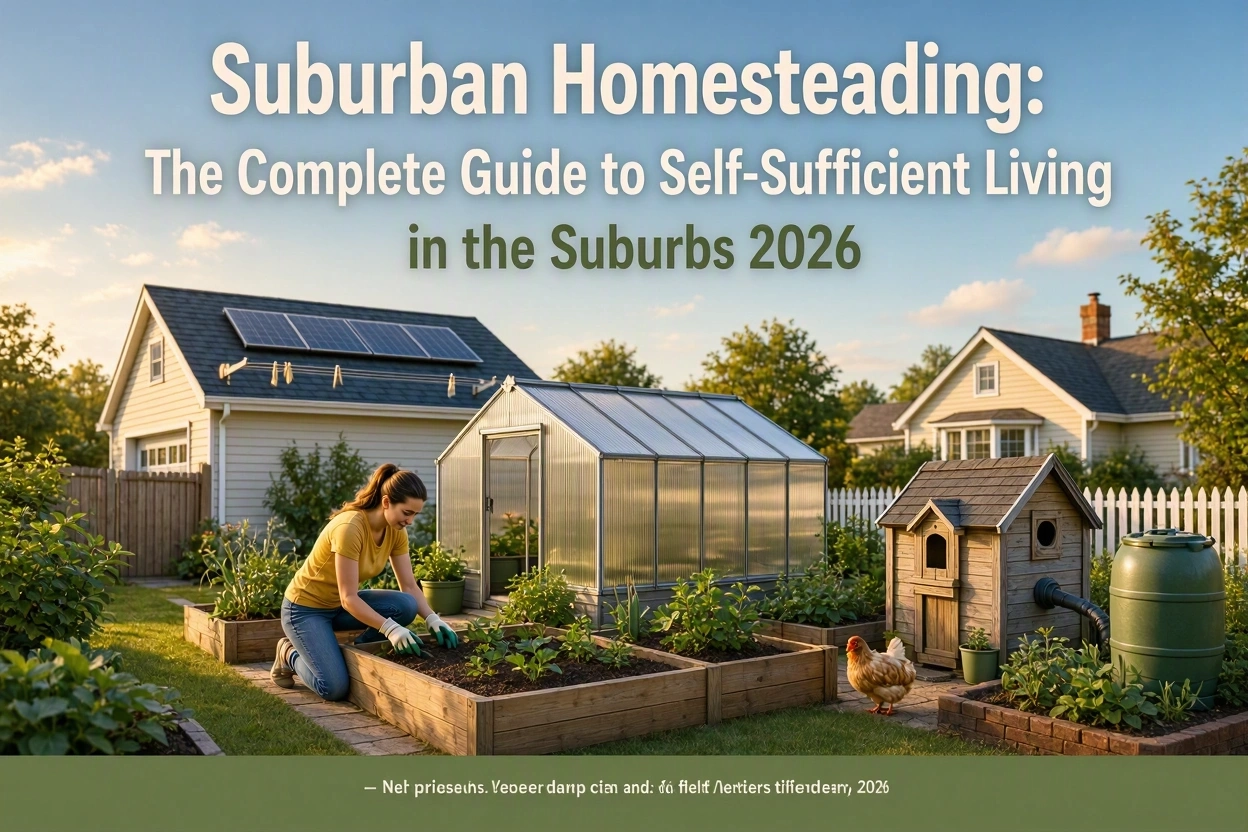
What if you could grow your own food, raise backyard chickens, and live more sustainably — all without leaving your suburban neighborhood? Welcome to suburban homesteading, the fastest-growing lifestyle movement of 2026. Unlike traditional homesteading, which requires acres of rural land, suburban homesteading proves that you can build a productive, self-reliant homestead on a quarter-acre lot (or even less).
In this complete guide, you’ll learn exactly how suburban homesteading works, why millions of families are embracing it, and the practical steps you need to start your own journey toward food independence today.
What Is Suburban Homesteading?
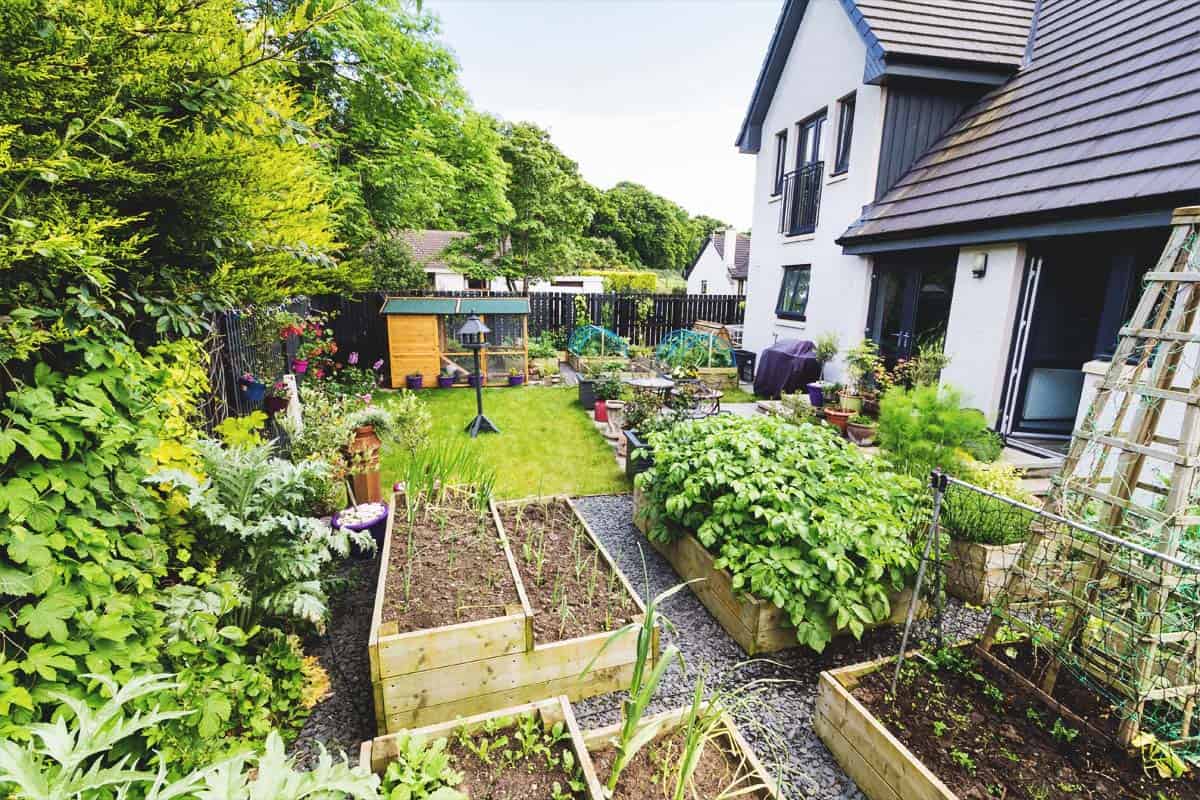
Suburban homesteading is the practice of applying traditional homesteading principles — growing food, raising animals, preserving harvests, and reducing dependence on external systems — within a suburban or residential setting. It sits perfectly between urban homesteading (apartments, balconies, tiny lots) and rural homesteading (farms and acreage).
The core philosophy of suburban homesteading is simple: produce more, consume less, waste nothing. Whether you have 0.1 acres or half an acre, your suburban backyard is an untapped resource waiting to become a food-producing, money-saving, life-enriching homestead.
Why Suburban Homesteading Is Exploding in Popularity
The suburban homesteading movement isn’t a passing trend — it’s a response to real-world pressures:
-
Rising grocery prices — Families growing their own vegetables report saving $500–$2,000+ per year on produce.
-
Food security concerns — Supply chain disruptions have taught us that homegrown food is the most reliable food.
-
Health awareness — Organic, pesticide-free produce picked minutes before dinner beats store-bought every time.
-
Environmental values — Suburban homesteading slashes your carbon footprint through composting, rainwater harvesting, and reduced food miles.
-
Family connection — Gardening and animal care teach children responsibility, patience, and where food actually comes from.
The 7 Pillars of Suburban Homesteading
1. Backyard Gardening: Your Foundation
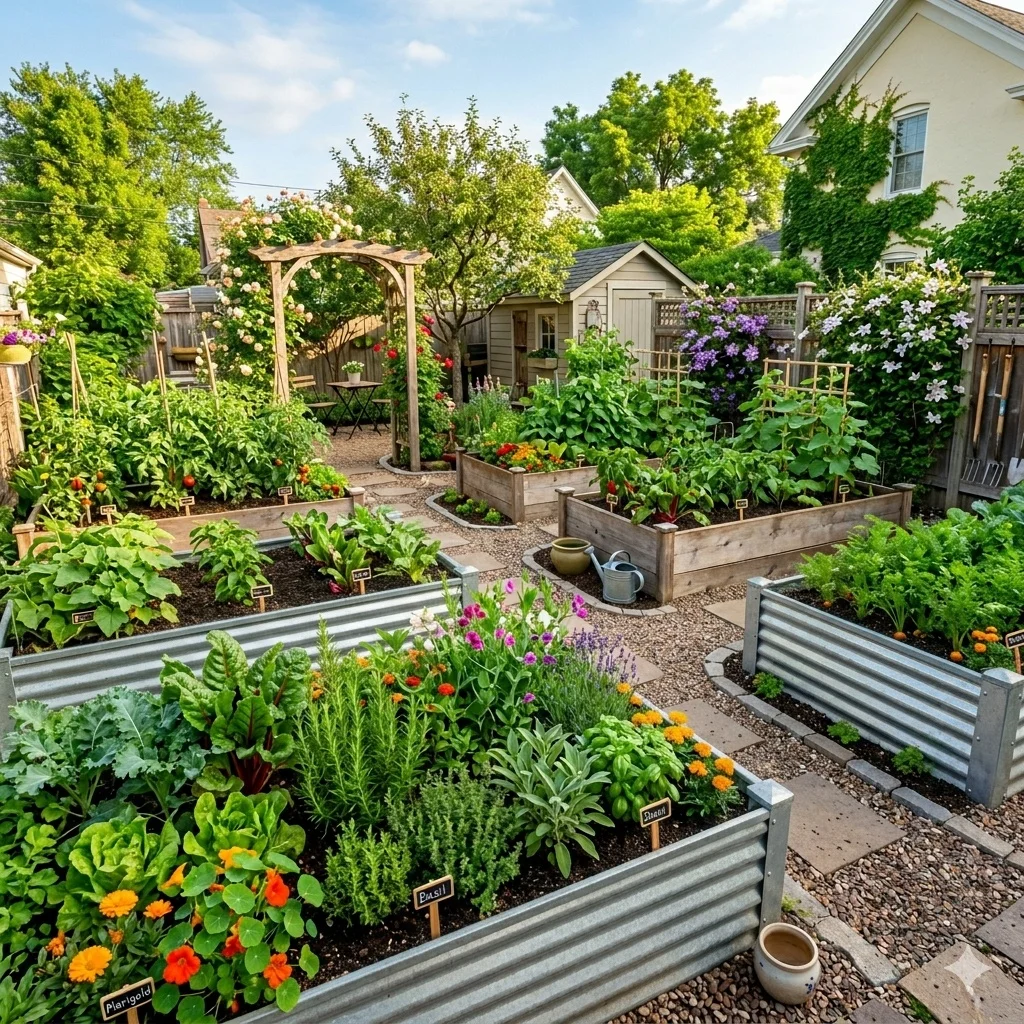
Every successful suburban homesteading journey begins with a garden. Even a 4×8-foot raised bed can produce hundreds of pounds of vegetables annually.
Start with raised beds — they’re easier to manage, warm up faster in spring, and give you full control over soil quality. Fill them with a mix of compost, topsoil, and organic matter, and you’ll be amazed at the results.
Best crops for suburban homestead beginners:
-
Tomatoes — the gateway crop of every homesteader
-
Zucchini & squash — prolific and nearly foolproof
-
Lettuce & spinach — fast-growing, cut-and-come-again harvests
-
Herbs — basil, mint, rosemary, and thyme thrive in small spaces
-
Peppers — compact plants with big flavor payoff
-
Green beans — vertical growers that maximize limited space
🌱 Ready to grow 10x more food in the same space? Discover the proven system that helps suburban homesteaders transform tiny backyards into food forests. 👉 Get the Complete Suburban Homesteading Blueprint Here
2. Raising Backyard Chickens
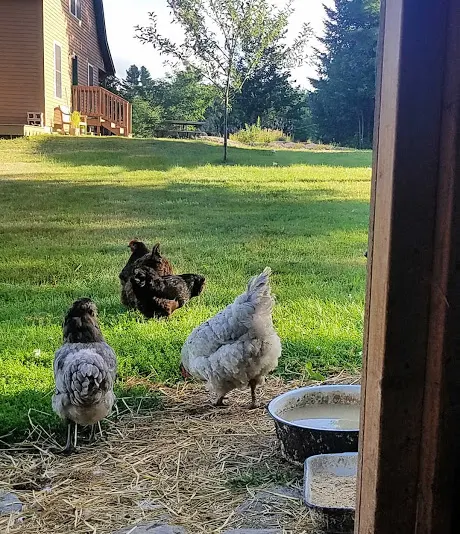
Nothing says “suburban homesteading” quite like fresh eggs from your own backyard. Chickens are legal in most suburban municipalities (check your local ordinances — many allow 4–6 hens, no roosters).
Why chickens are perfect for suburban homesteads:
-
Fresh eggs daily — far superior in taste and nutrition to store-bought
-
Natural pest control — chickens devour ticks, grubs, and garden pests
-
Free fertilizer — chicken manure is garden gold when composted
-
Low maintenance — 10 minutes a day keeps a small flock happy
Start with docile, quiet breeds like Buff Orpingtons, Australorps, or Rhode Island Reds. A simple DIY coop and a small run are all you need to get started.
3. Composting: Turning Waste Into Black Gold
Composting is the heartbeat of suburban homesteading. Every kitchen scrap, fallen leaf, and grass clipping becomes nutrient-rich soil for your garden.
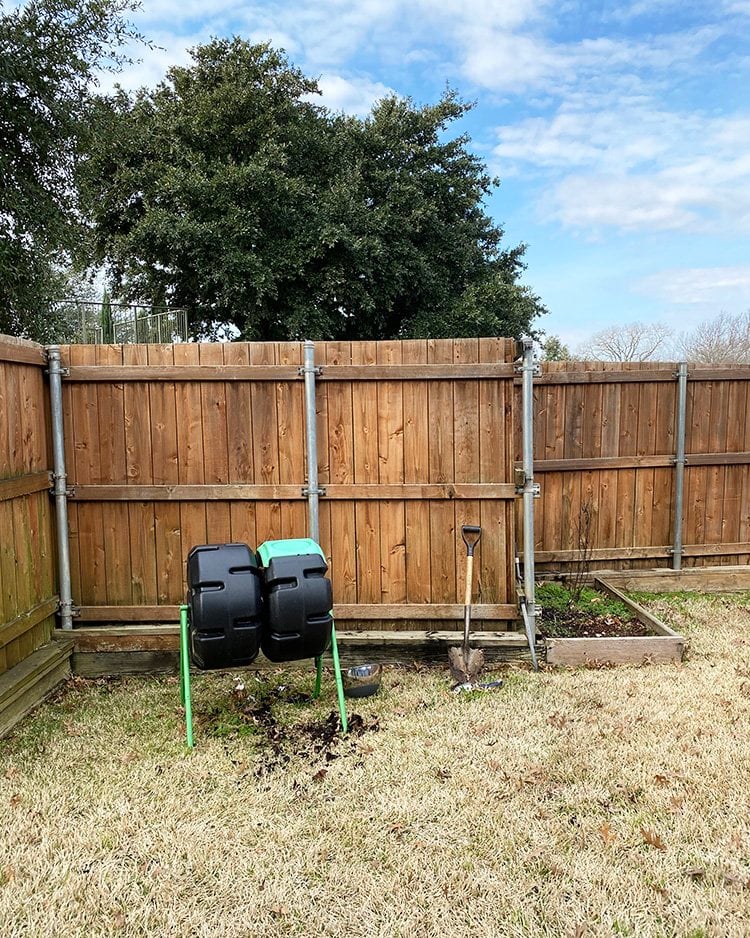
Three composting options for suburban lots:
-
Tumbler composters — enclosed, fast, odor-free, and HOA-friendly
-
Worm bins (vermicomposting) — perfect for tiny yards; works year-round indoors or outdoors
-
Three-bin systems — for larger lots with active gardens
Avoid meat, dairy, and oils in open piles, and always bury fresh scraps to keep things tidy and pest-free. Within 3–6 months, you’ll have dark, crumbly compost that vegetables absolutely love.
4. Food Preservation: Stocking Your Pantry
Growing food is only half the battle — preserving the harvest is what makes suburban homesteading truly self-sufficient. When zucchini season hits, you’ll have more than you can eat. Preserve it!
Essential food preservation methods:
-
Water bath canning — ideal for tomatoes, jams, pickles, and sauces
-
Pressure canning — for low-acid foods like green beans, corn, and soups
-
Dehydrating — herbs, fruit leathers, jerky, and dried tomatoes
-
Freezing — blanch and freeze surplus vegetables in vacuum-sealed bags
-
Fermenting — sauerkraut, kimchi, and kombucha add probiotics to your diet
A well-stocked homestead pantry means fewer grocery runs, lower bills, and food security no matter what happens in the world.
5. Water Conservation & Rainwater Harvesting
Suburban homesteading means treating every resource as precious. A single rain barrel connected to your downspout can collect 50+ gallons per storm — free, chlorine-free water your plants will love.
Water-smart homesteading tips:
-
Install rain barrels under gutter downspouts
-
Use drip irrigation instead of sprinklers (up to 90% less water waste)
-
Mulch heavily around plants to lock in soil moisture
-
Plant drought-tolerant perennials like asparagus, rhubarb, and fruit trees
6. Renewable Energy & Energy Independence
While full off-grid living isn’t always possible in the suburbs, suburban homesteading embraces energy reduction and small-scale renewables:
-
Rooftop or ground solar panels — many suburbs now allow and even incentivize them
-
Solar ovens and solar dehydrators — cook and preserve food with free sunshine
-
Reducing consumption — LED lighting, efficient appliances, and smart thermostats
7. DIY Skills & Homemade Products
The final pillar of suburban homesteading is reclaiming lost skills. Every product you make yourself is money saved and independence gained:
-
Bake your own sourdough bread
-
Make natural cleaning products with vinegar, baking soda, and essential oils
-
Brew kombucha or homemade vinegar
-
Craft soap, candles, and salves
-
Mend and repair instead of replacing
🏡 Want the shortcut to mastering all 7 pillars? Thousands of suburban families have used this step-by-step system to build thriving homesteads in under a year. 👉 Unlock the Suburban Homesteading System Today
How to Start Suburban Homesteading: Your First 90 Days
Month 1: Assess & Plan
-
Map your space — identify sunny spots (6+ hours of sun), shady areas, and water access
-
Check local regulations — ordinances on chickens, bees, front-yard gardens, and rain barrels
-
Set one goal — don’t try everything at once. Start with a garden OR chickens, not both
Month 2: Build Your Foundation
-
Build or buy 2–3 raised beds
-
Set up a compost system
-
Plant your first crops (or order your first chicks!)
-
Install a rain barrel
Month 3: Expand & Learn
-
Add containers, vertical trellises, or a small herb spiral
-
Learn one preservation method (start with freezing — it’s easiest)
-
Connect with local homesteading groups and online communities
Common Suburban Homesteading Mistakes to Avoid
Even passionate beginners make these errors when starting suburban homesteading:
-
Doing too much too fast — homestead burnout is real. Grow gradually.
-
Ignoring local ordinances — one complaint from a neighbor can shut down your chickens. Stay compliant.
-
Poor garden planning — tall plants shading short ones, overcrowding, and neglecting your hardiness zone.
-
Buying everything new — homesteads are built on repurposing. Free pallets, buckets, and reclaimed lumber are your friends.
-
Neglecting soil health — feed your soil with compost and cover crops, not just fertilizer.
Frequently Asked Questions About Suburban Homesteading
Can you really homestead in the suburbs?
Absolutely. Suburban homesteading is about mindset and efficiency, not acreage. With intensive methods like square foot gardening, vertical growing, and succession planting, a quarter-acre suburban lot can outperform a lazily managed acre of farmland.
Is suburban homesteading expensive to start?
Not at all. You can start a basic suburban homesteading setup — raised beds, compost bin, a few tools — for under $300. Chickens add roughly $200–$500 for a coop and starter flock. Most homesteaders recoup their investment in 1–2 seasons through grocery savings.
Do I need HOA approval for homesteading activities?
It depends on your HOA. Many now permit gardens, rain barrels, and even small coops with approval. Review your CC&Rs, talk to neighbors, and present your plans professionally — a tidy, attractive homestead design usually gets a green light.
How much food can a suburban homestead actually produce?
A well-planned suburban lot can produce 30–50% of a family’s vegetables and nearly all of their eggs. Advanced homesteaders with fruit trees, berry bushes, and intensive beds report growing 70%+ of their produce.
Final Thoughts: Your Suburban Homestead Awaits
Suburban homesteading isn’t about perfection — it’s about progress. Every seed you plant, every egg you collect, and every jar you can is a step toward a more resilient, joyful, and self-sufficient life. You don’t need to move to the country. You don’t need 40 acres. You just need to start where you are, with what you have.
The suburbs are full of hidden potential. Your lawn could be a garden. Your kitchen scraps could be black gold. Your backyard could be the most productive square footage you own.
🚀 Don’t wait another season to start. Get the complete, step-by-step Suburban Homesteading Blueprint trusted by thousands of families — including garden plans, chicken coops designs, preservation guides, and money-saving hacks. 👉 Start Your Suburban Homestead Journey Now